La Jolla's seaside caves are cut into the cliffs just east of La Jolla Cove, beside the protected waters often called the San Diego–La Jolla Underwater Park. You can appreciate the coastal setting from land, enter Sunny Jim's sea cave through the Cave Store's tunnel when it is open, or consider a guided ocean trip when conditions allow. These are different experiences, and none should be confused with a casual low-tide walk into every cave.
Where the La Jolla sea caves are
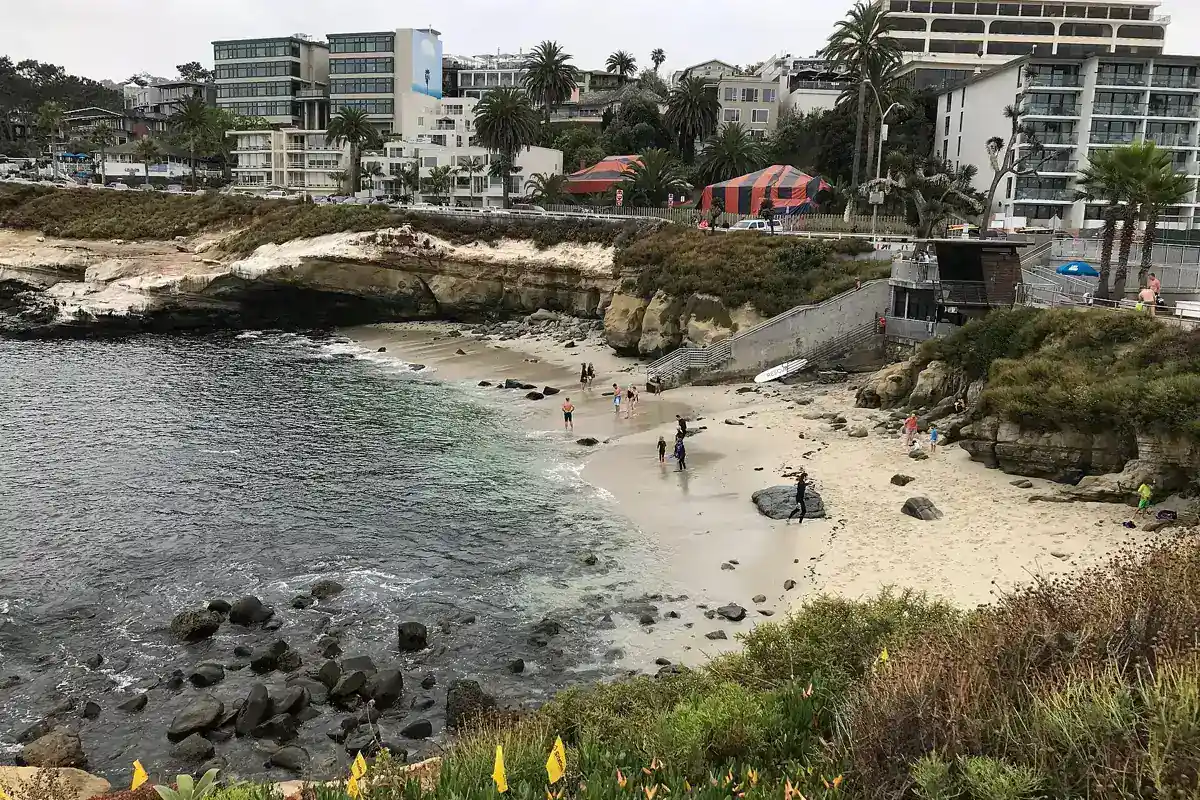
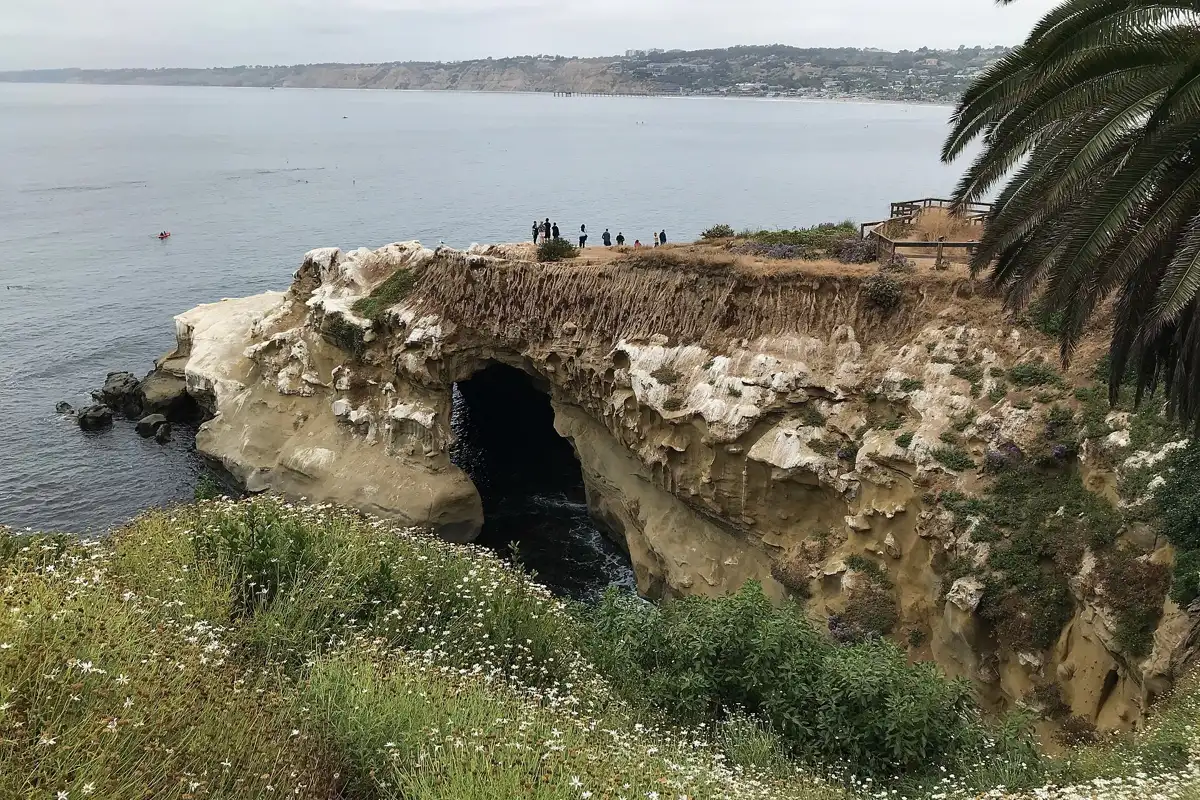
The City of San Diego identifies seven sea caves in the sandstone cliffs east of the Cove, with openings facing toward La Jolla Shores and Scripps Pier. The setting helps explain why a beach photo can be misleading: a cave may look close across the water but still have no safe public walking route to its entrance. Reaching the correct neighborhood is the first step, not proof of access.
La Jolla Cove, La Jolla Shores and the Cave Store are not interchangeable starting points. The Cove is a small coastal destination near the village, the Shores has a broader sandy beach, and the store is above the cliff on Cave Street. Decide whether your group wants a land-based look, a tunnel visit or an on-water activity before choosing parking and a meeting place.
Sunny Jim Cave: the land-access option
The city's historical account identifies Sunny Jim Cave as the cave accessible from land through a human-made tunnel. That access is via the Cave Store, not an opening you reach by scrambling down the cliff. Check the Cave Store's official website for current admission arrangements, operating information and any restrictions before you go. Do not rely on an old ticket price or a photo of an open door.
A tunnel and stairs are a different proposition from a level museum entrance. Ask the operator about current physical access if stairs, confined spaces or slippery surfaces would be difficult for anyone in your party. Plan to keep your hands free, supervise children and follow staff directions. Do not assume that being inside a land-access cave means you can step into the ocean or continue to neighboring caves.
What a guided kayak cave trip actually involves
A sea-cave tour is an ocean activity, even when the launch area looks calm. Launching, paddling along a cliff and approaching a cave mouth require decisions about surf, swell, wind and the people in the group. A responsible operator may change the route or skip entry entirely. Ask whether a listing promises a coastal paddle near the caves or whether cave entry is conditional; the difference matters.
Before booking, confirm swimming requirements, age limits, life jackets, guide-to-guest arrangements and the cancellation policy. Check whether transport, parking or equipment is included rather than assuming it from a photograph. No operator can make a sensible guarantee of clear water, wildlife sightings or access inside a particular cave on every departure. A trip that stays outside can still be the right trip for that day's conditions.
Can you walk to the caves at low tide?
Do not plan a self-guided cave scramble based only on a negative tide number. The city's description of ocean exposure at low tide is geographic context, not an instruction to walk under the cliffs. Waves can enter an opening even when the predicted water level is low, and a rising tide can remove a route that looked possible earlier.
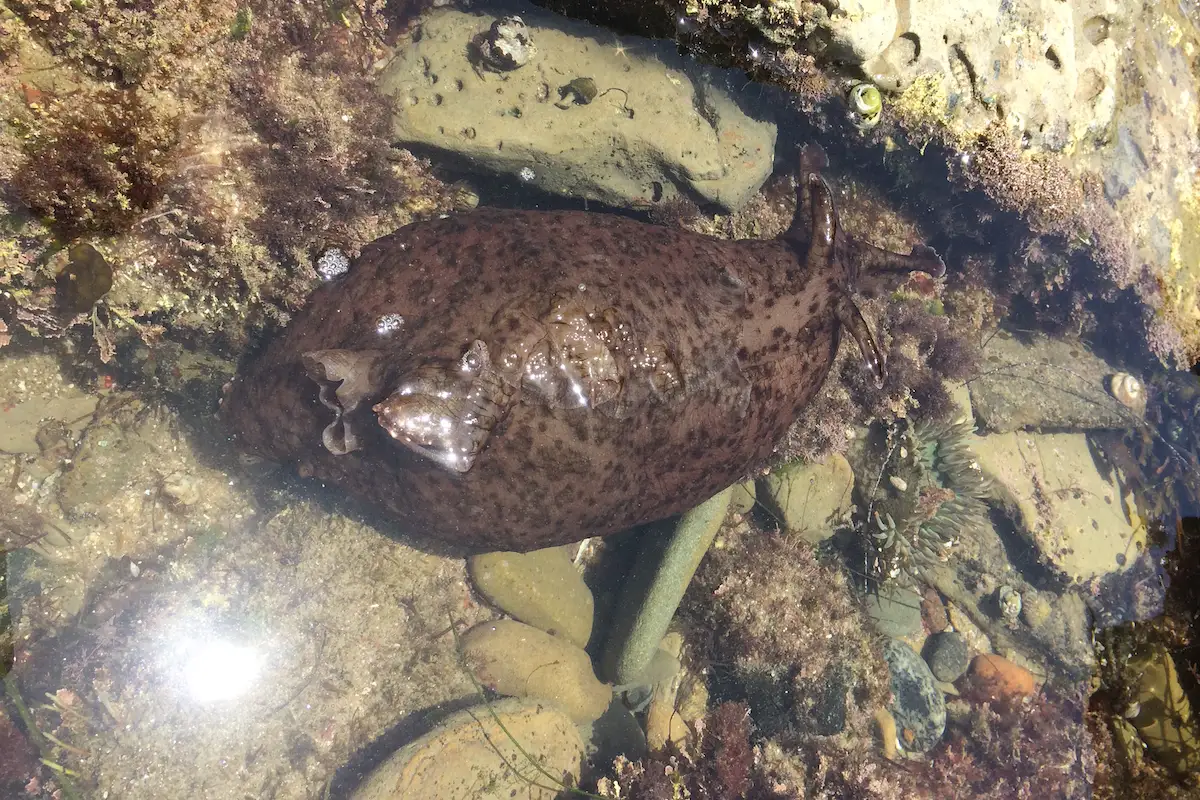
For visitors who want a dry-land experience, use established public paths and the authorized Sunny Jim access. Stay behind barriers and avoid cliff edges. If your real goal is looking at intertidal animals, choose a suitable tidepool outing instead of combining tidepooling with cave exploration. Those activities involve different terrain and risks, and the most dramatic-looking route is not automatically the appropriate one.
La Jolla Underwater Park versus today's marine protected areas
The phrase La Jolla Underwater Park describes a broader underwater landscape and a long history of local protection. The current California Department of Fish and Wildlife pages identify the relevant state marine protected areas, including Matlahuayl State Marine Reserve and the adjacent San Diego-Scripps Coastal State Marine Conservation Area. Use those current names and maps when checking regulations; older signs and travel descriptions may use earlier names.
CDFW describes Matlahuayl as protecting sandy beaches, rocky intertidal areas, surfgrass, reefs, sea caves and submarine canyon habitat. No take of marine resources is permitted in that reserve. The neighboring conservation area has specific, limited exceptions rather than a blanket permission to fish. Our marine protected areas guide explains how to check a boundary without treating the whole La Jolla coast as one legal zone.
The La Jolla submarine canyon is not a beach feature to approach casually
La Jolla's underwater canyon system is part of what makes this coast ecologically interesting. It also means that appealing blue water can conceal a major change in depth. The city's scuba safety guidance identifies two canyon branches near the Shores and Scripps Pier and recommends canyon diving only for experienced divers. A pleasant shoreline walk does not provide information about underwater visibility, currents or a diver's readiness.
If you are not a trained diver, there is no reason to pursue the canyon edge to make a cave visit complete. Certified divers should plan within their training, check conditions and use a qualified local operator when appropriate. Snorkeling, kayaking and scuba are separate skills; confidence in one does not automatically transfer to another. Ask the lifeguards about the current ocean situation rather than reading safety from the color of the water.
Wildlife viewing without crowding the animals
The protected coast supports fish, invertebrates and marine mammals, but a cave is also potential resting habitat. Stay away from animals, do not feed them and never block their route to the water. If an animal is occupying a space you hoped to enter, choose another view rather than trying to move it. A guide's decision to give a haul-out more room is part of responsible trip planning.
Do not touch living surfaces or collect shells, rocks or animals as souvenirs inside protected waters. Keep paddles and feet away from wildlife wherever possible. Photograph from a distance and use a zoom instead of trying to fill the frame by getting closer. The most useful wildlife photo records behavior without changing it, and no sighting is worth creating a confrontation in a confined cave.
Planning parking, timing and a land-based visit
Start with a precise destination and allow extra time to find a legal space in the village or at your operator's meeting point. Read posted parking restrictions rather than assuming that a nearby business lot is public beach parking. The time on a tour ticket may be a departure time, not a suggested arrival time. Ask where equipment check-in happens before you set out.
For a land-only outing, keep the plan simple: enjoy the permitted coastal viewpoints, visit the authorized cave entrance if it suits your group, and leave time for the wider village. A cloudy day can still provide a good view of cliff textures without good underwater visibility. If the coast is stormy, skip exposed viewpoints and do not turn a closed path into an invitation to find another way around.
Taking useful La Jolla Underwater Park photos
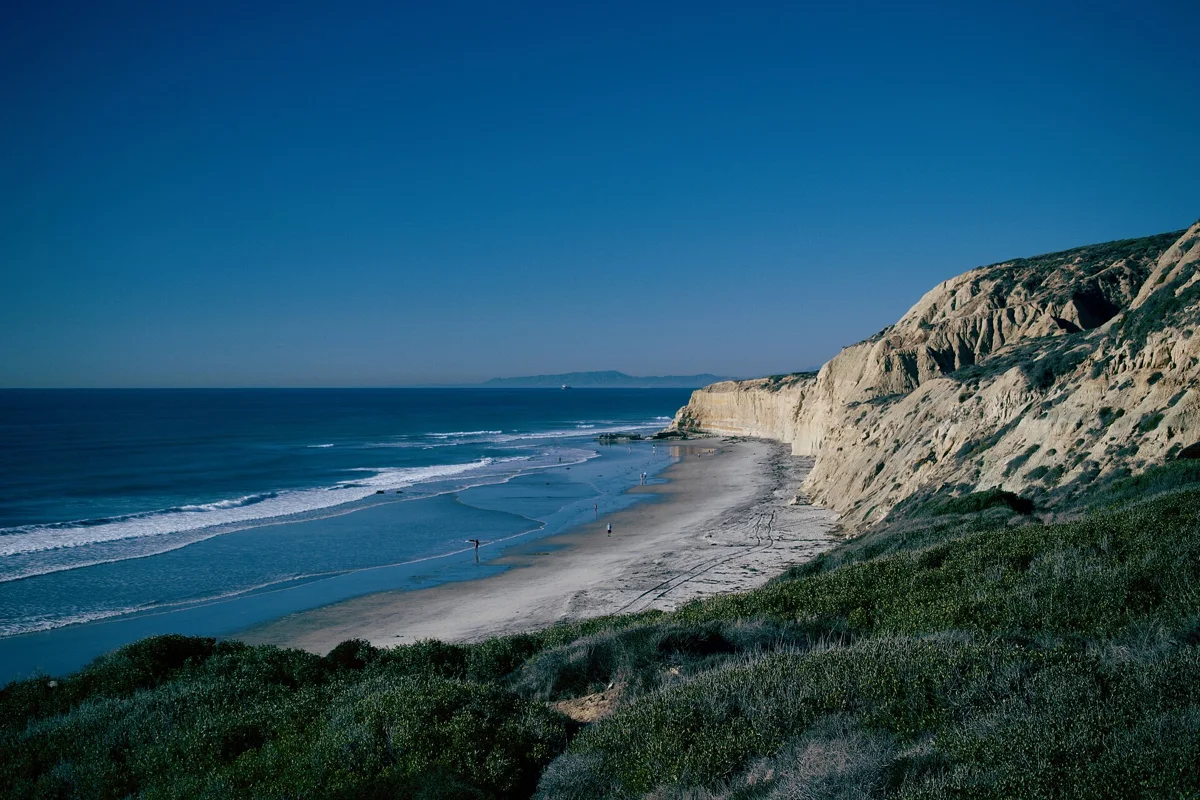
Use a wide view to show the relationship between cliffs, water and the Shores, then use a closer frame for sandstone shapes or seabirds. An ordinary phone photograph from a lawful viewpoint is more useful than an image taken by leaning over an edge. Keep equipment secure and stop walking before looking through a viewfinder. On a boat, follow the operator's rules about loose cameras and phones.
Underwater photos depend on visibility and suitable training, not just on buying a waterproof case. Do not enter the water for a picture if that was not already a sound activity choice. The page image and a guidebook can help orient you, but neither is a live report. Check current conditions, official notices and the operator's instructions again on the day.
By 70 Miles of Coast editors.
Questions before you go
Which La Jolla sea cave can be entered from land?
Sunny Jim Cave has authorized tunnel access through the Cave Store. Check the store for current admission and physical access information.
Does a kayak tour guarantee entering a cave?
No. Cave entry depends on ocean conditions and the operator's safety assessment. Confirm what the tour includes before booking.
Sources & further reading
Official information and references for this guide. Check the source for current access, rules and conditions.
- Mammoth Caves La Jolla | City of San Diego Official Website
- Report to the Historical Resources Board
- Marine Coastal Management Plan – La Jolla
- La Jolla Park Coastal Historic District
- (untitled result)
- The Cave Store official visitor information
- City of San Diego scuba safety
- CDFW: Matlahuayl and San Diego-Scripps Coastal MPAs
- Wikipedia: Sunny Jim's Sea Cave coordinates