A San Diego fisheries tech role can involve collecting biological information, identifying species, maintaining field records or supporting research. The exact duties depend on the employer and project. This is an editorial guide to the work, not a personal account of a technician’s adventures, a claim of scientific credentials or an announcement of a current job opening.
What is a fisheries technician?
“Fisheries technician” is a broad job description rather than a guarantee of one daily routine. Some positions support shore-based sampling or laboratory work; others involve vessels, catch data or surveys. A fishery observer is a more specific role that NOAA describes as a professionally trained biological technician gathering information on commercial fishing activity.
Do not assume that every local aquarium, hatchery and offshore research position has the same entry requirements. Read the actual posting and distinguish the job title from the project’s tasks. A strong application answers those tasks with relevant experience rather than relying on a general interest in the ocean.
What fishery observers record
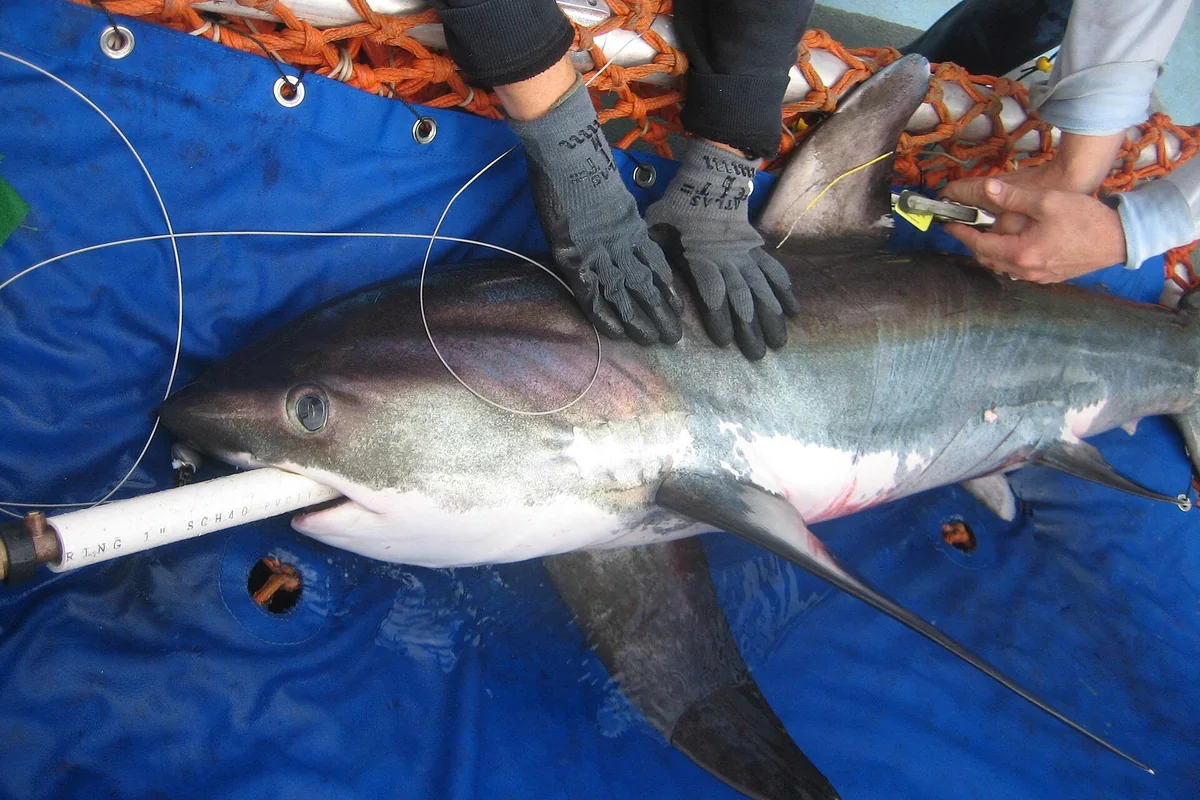
NOAA says observers gather data on catch and discards, fishing locations, gear and interactions with protected species. Their records contribute to stock assessments and evaluation of fisheries’ effects on animals such as marine mammals, sea turtles and seabirds. This is systematic evidence gathering, not simply watching fishing happen.
Data must remain usable after the trip. NOAA describes review by debriefers, quality checks and entry into regional databases. Accuracy, consistent methods and clear records matter as much as recognizing an exciting species. An observation that cannot be interpreted reliably later may not serve the research or management purpose.
Species identification and careful measurements
NOAA’s observer-career information identifies marine-species identification and biological data collection as important skills. That means distinguishing similar animals, following the program’s methods and recording uncertainty appropriately. Guessing a species to fill a blank is not the same as making a defensible identification.
Measurements, sample labels and data-entry procedures depend on the project. Learn the specified protocol rather than assuming a technique from a recreational fishing trip applies. Ask how quality assurance works and how mistakes are corrected. Repeated, careful tasks are central to field science even when the public sees only the dramatic wildlife photographs.
At-sea demands and safety
NOAA notes that observer work can involve motion sickness, long or irregular hours and the need for strong interpersonal skills. Working safely aboard someone else’s vessel also requires attention to training, equipment and instructions. Enjoying a short harbor cruise does not establish that a person will be comfortable on a working deployment.
Before accepting a position, ask about deployment length, travel, vessel conditions, safety training and emergency procedures. Do not treat difficult conditions as a badge of authenticity or assume that every job requires the same physical tasks. The employer should be able to explain the actual requirements for the role.
Education and hiring routes
NOAA explains that fishery-observer providers recruit people who meet program eligibility requirements, which vary by region and job. Its career information describes education expectations and other qualifications for observers. Read those details directly rather than assuming a generic short course qualifies someone for every assignment.
Some observers are recruited through private providers that NOAA contracts with or certifies, not by applying to every vessel independently. For other technician positions, use the named employer’s official careers page and current posting. This guide does not verify a particular San Diego vacancy, salary, internship place or hiring deadline.
San Diego organizations and public learning
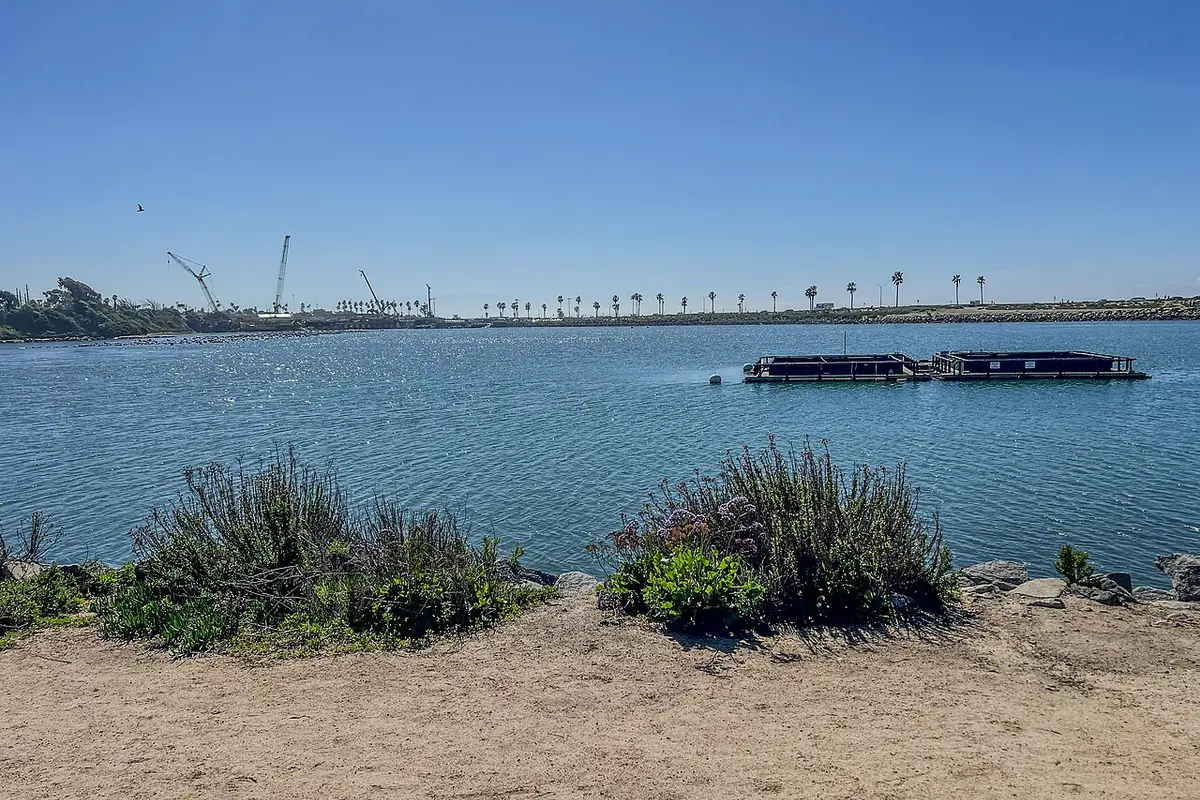
San Diego’s coastal research setting can make fisheries work feel close at hand, but a research facility is not automatically open to walk-in visitors or applicants. Carlsbad’s official Hubbs Trail information, for example, describes a nearby marine hatchery and specifically says it is not open for casual public visits.
The Hubbs Trail guide separates that public lagoon walk from the hatchery’s work. Use official talks, scheduled programs and employer information to learn more. Do not enter a working lab or assume that an outdoor trail provides access to scientists, samples or behind-the-scenes facilities.
Building a realistic next step
Start by comparing actual job descriptions. Note the required education, species-identification knowledge, data skills, travel expectations and safety qualifications, then identify the gaps you can address. Keep examples of careful record keeping and relevant field or lab experience ready. Do not represent casual recreation as professional fisheries work.
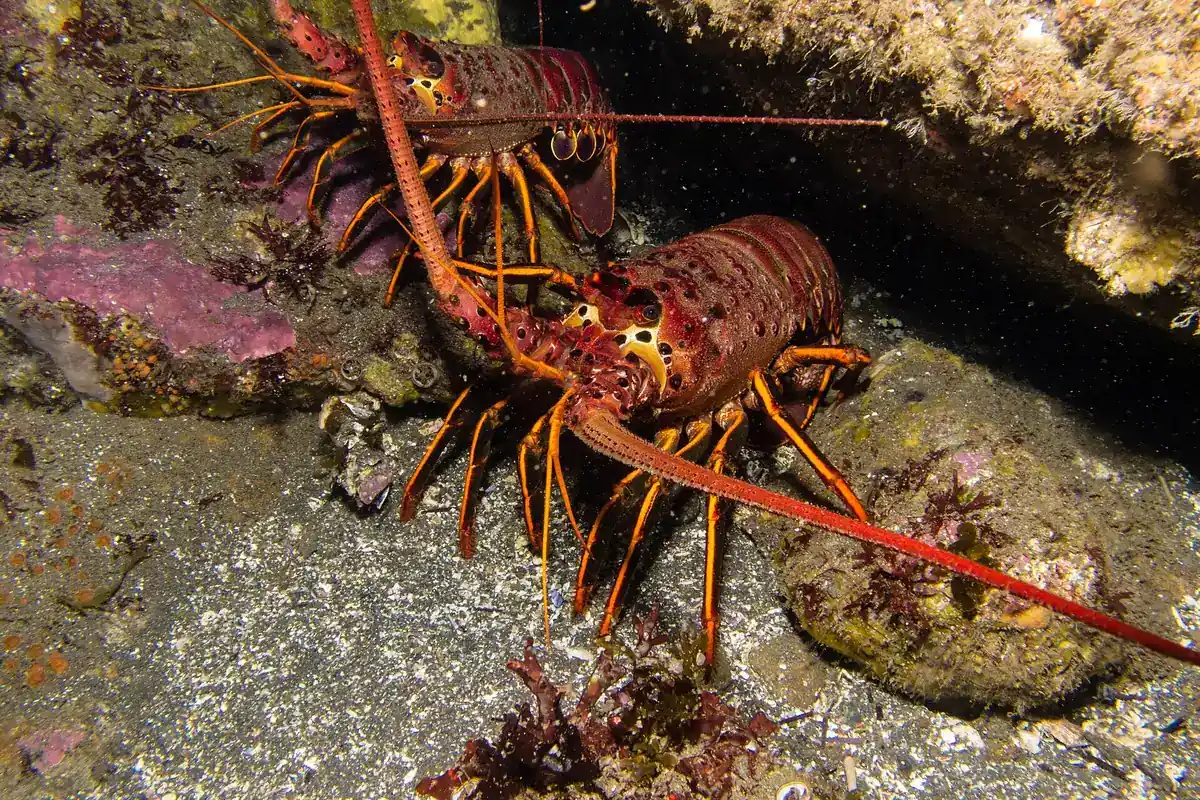
For broader local context, read the fishing guide and the California spiny lobster primer, which show how biological information connects with management rules. A fisheries career is built on reliable methods, training and honest reporting, not on a claim to have lived someone else’s sea-going story.
Questions before you go
Is this a personal fisheries-tech memoir?
No. It is a source-based editorial guide, with no claim that the editors held a technician role or participated in a particular research trip.
Does NOAA hire every fishery observer directly?
No. NOAA says it contracts with or certifies private providers that recruit and deploy observers. Hiring routes vary by program.
Sources & further reading
Official information and references for this guide. Check the source for current access, rules and conditions.