Snorkeling La Jolla comes down to two shore entries a short walk apart: La Jolla Cove, a tiny beach under sandstone cliffs with rocky reef and kelp close to shore, and La Jolla Shores, a mile of sand where the bottom stays shallow and leopard sharks gather in summer. Both sit beside or inside a marine reserve where nothing may be taken, which is why the fish are easy to see. This guide covers how to choose between them, what the water temperature really does month to month, and the rules that matter once you are in the water.
La Jolla Cove or La Jolla Shores?
Pick the spot that matches the swimmer, not the photo you saw online.
| La Jolla Cove | La Jolla Shores | |
|---|---|---|
| Bottom | Rocky reef and kelp a short swim out | Mostly sand, shallow for a long way |
| What you look for | Garibaldi and other reef fish | Leopard sharks and rays in summer and early fall |
| Entry | Small beach reached by stairs, crowded on summer days | Wide, gently sloping sand at Kellogg Park |
| Lifeguards | Permanent city lifeguard station | Permanent city lifeguard station |
| Best fit | Comfortable ocean swimmers | Beginners, families and first wetsuit days |
Both beaches are among the nine San Diego beaches with permanent lifeguard stations, according to City of San Diego Lifeguard Services. Talk to the lifeguards before you get in: they know where the surf, current and visibility are on that day.
Snorkeling La Jolla Cove
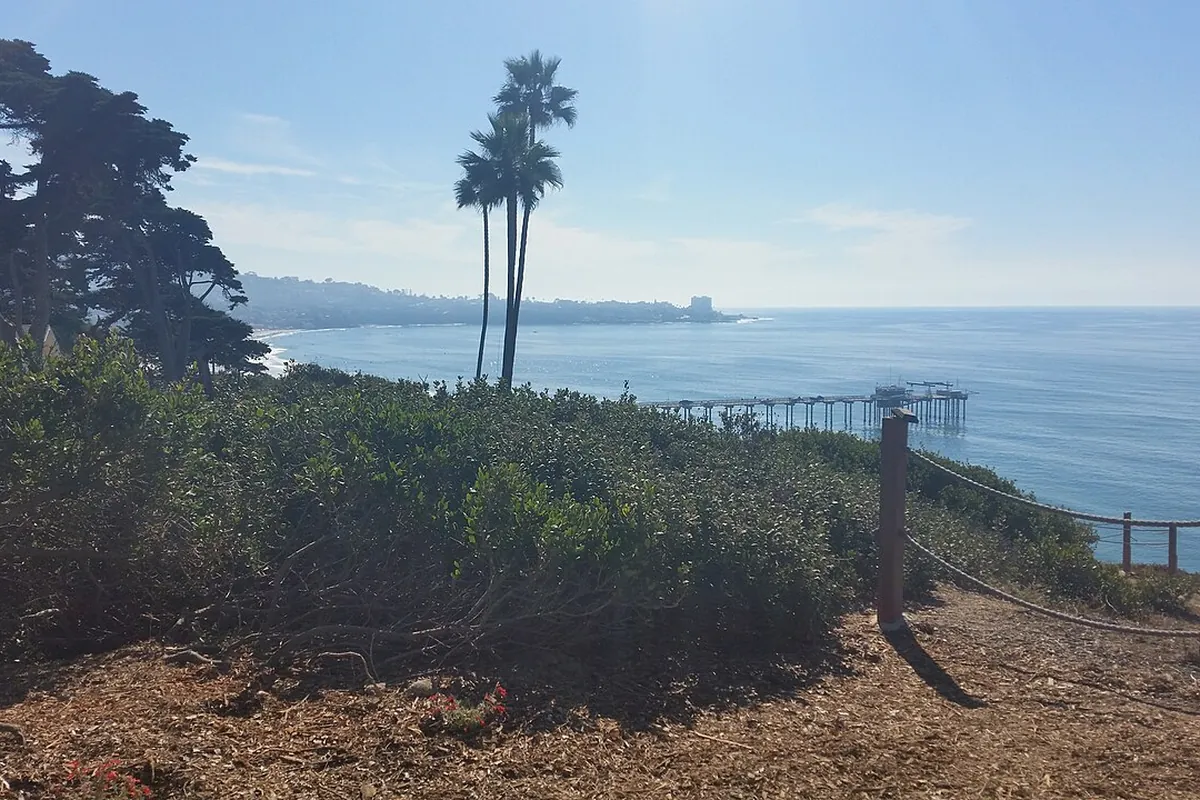
The city describes the north-facing Cove as ideal for swimmers, snorkelers and divers when summer surf is small, and says visibility there can sometimes exceed 30 feet. That last word matters. On a swell day, after rain, or when plankton blooms, the same water can look like pea soup, so treat 30 feet as a good day rather than a promise.
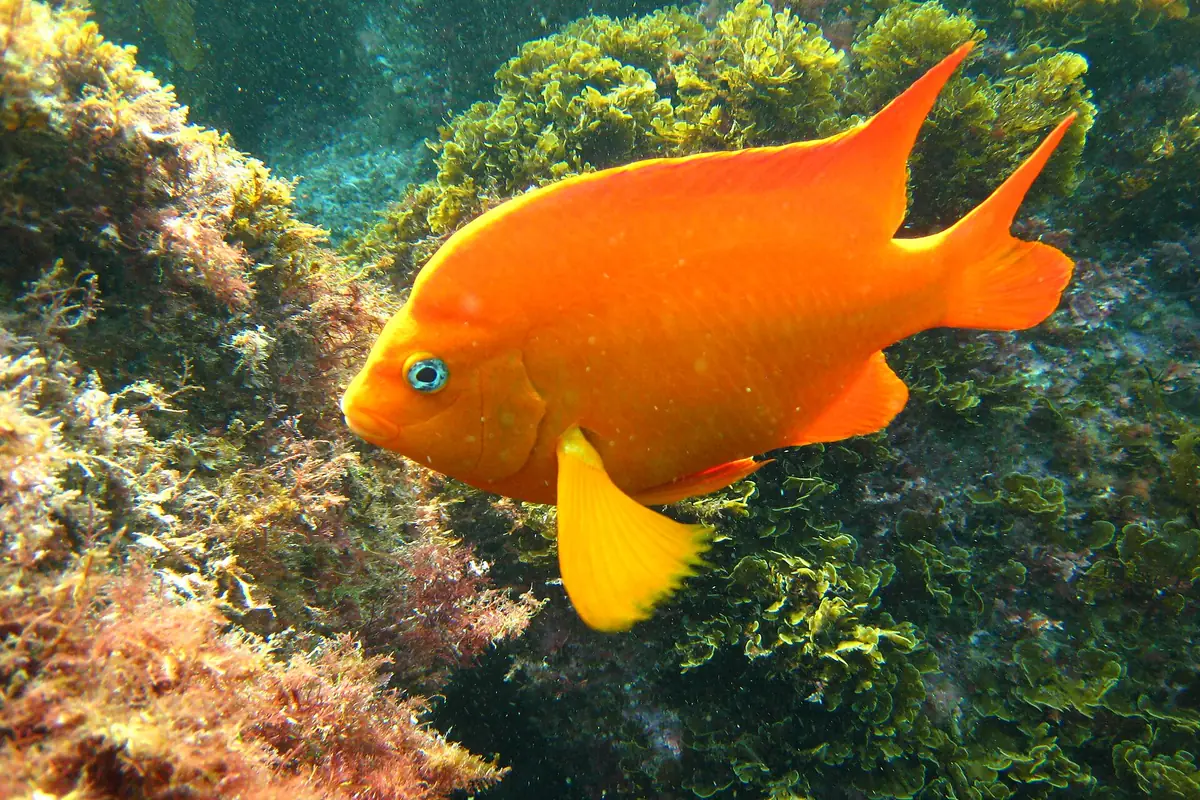
The Cove is part of the San Diego-La Jolla Underwater Park, which you can read about in our guide to the La Jolla ecological reserve and its names. Fishing and removing anything here is prohibited. Expect rocky reef with kelp and the bright orange garibaldi, California's state marine fish. The California Department of Fish and Wildlife notes that garibaldi are fully protected and may not be caught or possessed. Males guard nests on the rocks, so look, don't chase.
Sea lions are the other half of the Cove story. They haul out on the rocks around the Cove and at nearby Point La Jolla, and the city's park rangers remind visitors that NOAA recommends staying at least 50 yards from seals and sea lions. Sea lions may swim past you in the water. Let them come and go, never swim toward a group resting on the rocks, and read our guide to watching the La Jolla sea lions before you go, because parts of Point La Jolla are closed to entry.
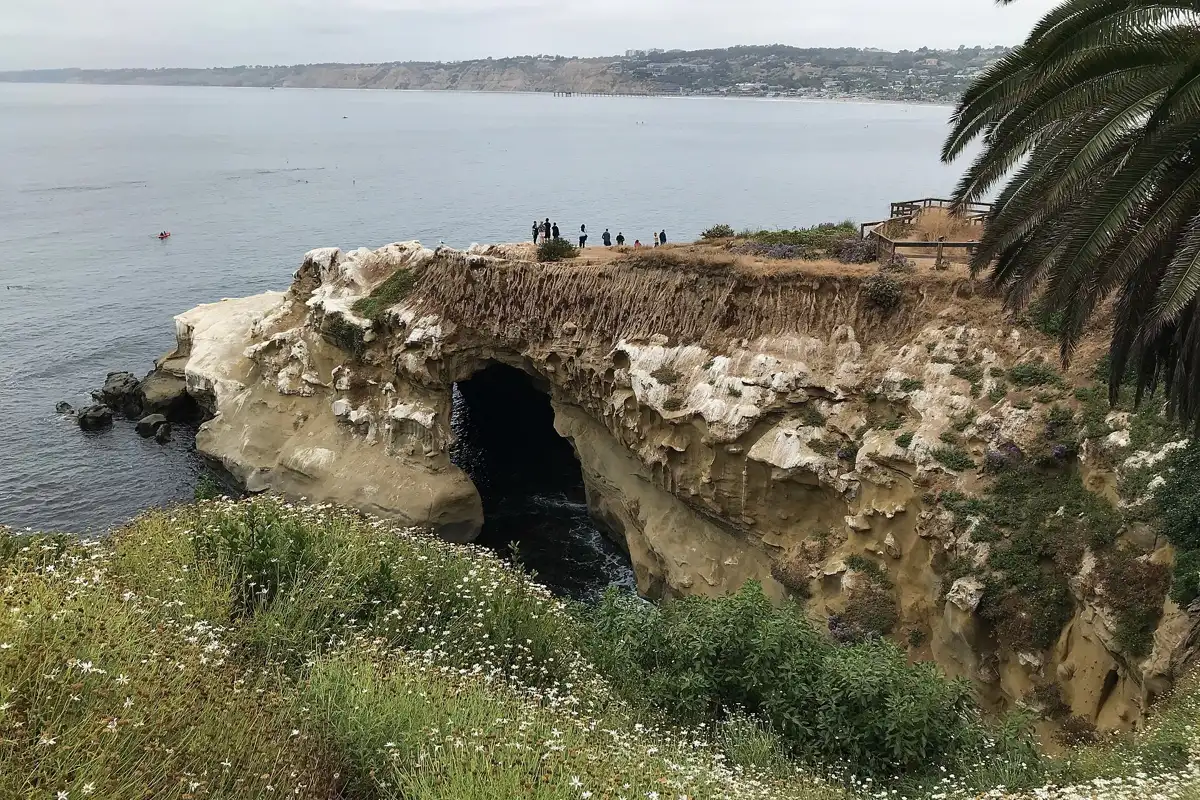
The cliffs east of the Cove hold the seven sea caves. They are usually seen by kayak, and surge inside them can be strong. Our La Jolla sea caves guide explains the land-side option at Sunny Jim's Cave and why a snorkel is not the way to explore the caves.
Snorkeling La Jolla Shores and the leopard sharks
La Jolla Shores is the gentler choice. City Lifeguard Services says summer waves there are usually the most gentle of any San Diego beach, and many beginner scuba classes train off this sand. The beach borders the same reserve, so the no-take rules carry over. Parking, restrooms and showers are covered in our La Jolla Shores visitor guide; the city notes the Kellogg Park lot fills quickly on summer weekends.
Leopard sharks are the reason many people snorkel here. Birch Aquarium at Scripps says hundreds of pregnant females move into shallow, protected water such as the Matlahuayl State Marine Reserve each summer, where they give birth. KPBS has reported the gathering at the southern end of La Jolla Shores, roughly from June into December, with the sharks cruising over shallow sand. The San Diego Zoo notes there are no reported fatal attacks on people by leopard sharks, and Monterey Bay Aquarium describes them as bottom feeders that eat clams, crabs, worms and small fish. They are still wild animals: float quietly, keep your hands to yourself, and they will often pass within sight.
Want to know which other sharks live offshore? Our San Diego shark sightings guide separates the common local species from the rare ones.
Water temperature by month at Scripps Pier
We averaged five years (2021 to 2025) of hourly readings from NOAA's La Jolla station at Scripps Pier (station 9410230), just north of the Shores. The range column shows where the middle 80 percent of readings fell, so it leaves out the strangest hours at either end.
| Month | Average | Typical range |
|---|---|---|
| January | 58°F | 57–60°F |
| February | 58°F | 57–60°F |
| March | 59°F | 57–61°F |
| April | 60°F | 56–63°F |
| May | 64°F | 61–67°F |
| June | 65°F | 60–69°F |
| July | 67°F | 61–72°F |
| August | 68°F | 61–74°F |
| September | 67°F | 61–72°F |
| October | 65°F | 61–68°F |
| November | 63°F | 59–66°F |
| December | 60°F | 57–63°F |
Two things stand out. Late summer is warmest, with August and September averaging about 67 to 68°F. Summer also swings the most: a cold-water day in July can sit near 60°F. A wetsuit is a sensible choice year round, and you can check the current reading on NOAA's station page before you pack.
Reserve rules in plain English
The water off the Cove and the Shores belongs to two state marine protected areas. Matlahuayl State Marine Reserve covers about 1.04 square miles and 1.7 miles of shoreline, according to CDFW. Fishing and collecting are banned there. The neighboring San Diego-Scripps Coastal State Marine Conservation Area runs to the north with its own rules. For a snorkeler, the practical version is simple:
- Take nothing: no shells, rocks, urchins, lobsters or fish, alive or dead.
- Don't stand on reef or grab kelp to rest. Float or kick gently.
- Give seals and sea lions room, in and out of the water.
- Leave the spear gun and the fishing line at home.
Our overview of San Diego marine conservation areas explains how the different protected-area types work along the rest of the coast.
Safety checks before you get in
- Ask a lifeguard. The city's lifeguards are generally on duty from 9 a.m. to dusk at the permanent stations, and they can tell you where to enter and where to avoid.
- Know rip currents. The city's rip current guidance is to stay calm, swim parallel to shore and wave to a lifeguard for help.
- Watch the kelp. City lifeguards warn that kelp entanglement has contributed to diving deaths. Swim over the canopy slowly instead of pushing through it.
- Respect the canyon. A branch of the La Jolla Submarine Canyon reaches close to shore off the Shores. The bottom drops away quickly, which is part of why the city recommends canyon dives only for experienced divers.
- Check water quality. Look at the County of San Diego's beach and bay water quality map for advisories or closures, especially after rain.
- Use the buddy system. Snorkel with someone, and agree on a turnaround point before you swim out.
Tours, rentals and timing
Private operators in La Jolla offer guided snorkel and kayak trips and gear rentals. A guide is worth considering for a first visit: they pick the entry, usually supply the wetsuit and know where conditions are best that day. Compare current tour options on our San Diego tours hub and check each operator's own site for prices and age limits.
For timing, calm surf matters more than the calendar. Mornings are often calmer before the afternoon wind picks up, and the city notes the Cove's best snorkeling comes with the small surf of summer. Our tide widget shows the next few days of La Jolla tides; low tide also opens the nearby rocky shore for a dry look at the same habitat, covered in our San Diego tide pools hub.
Not a swimmer? Birch Aquarium up the hill shows the kelp forest, garibaldi and leopard sharks through glass, and the La Jolla Coast Walk gives you views over the reserve from above.
Questions before you go
Is La Jolla Cove or La Jolla Shores better for snorkeling?
The Cove has reef, kelp and more fish but a small, crowded entry and rockier water. The Shores is sandy, gentler and better for beginners, and it is where leopard sharks gather in summer.
When can you see leopard sharks in La Jolla?
Birch Aquarium at Scripps says pregnant females move into the shallow, protected water off La Jolla each summer, and KPBS has reported the gathering lasting roughly from June into December. Numbers vary year to year.
Do you need a wetsuit to snorkel in La Jolla?
Most people wear one. NOAA readings at Scripps Pier average about 58°F in winter and 67 to 68°F in late summer, and cold-water days happen even in July.
Can you take shells or rocks from La Jolla Cove?
No. The Cove lies in a state marine reserve where fishing and collecting are prohibited, and the city says removing objects from the area is not allowed.
Is snorkeling in La Jolla free?
Yes, there is no fee to swim or snorkel from the beach. Guided tours, rentals and parking lots or meters are separate.
Sources & further reading
Official information and references for this guide. Check the source for current access, rules and conditions.
- La Jolla Cove – City of San Diego Lifeguard Services
- La Jolla Shores – City of San Diego Lifeguard Services
- Kellogg Park – City of San Diego
- Beach Amenities and Regulations – City of San Diego
- Scuba Diving Safety – City of San Diego
- Rip Currents – City of San Diego
- Sea Lion Management at La Jolla Cove, December 2025 – City of San Diego
- Point La Jolla – City of San Diego
- Matlahuayl SMR and San Diego-Scripps Coastal SMCA – CDFW
- Garibaldi – CDFW Marine Species Portal
- Southern Californian Sharks and Rays – Birch Aquarium at Scripps
- Leopard Shark – San Diego Zoo Wildlife Alliance
- Leopard Shark – Monterey Bay Aquarium
- La Jolla station 9410230 water temperature, 2021–2025 hourly data – NOAA CO-OPS
- Leopard sharks off La Jolla – KPBS
- Beach and Bay Water Quality – County of San Diego
- La Jolla Cove coordinates – Wikipedia