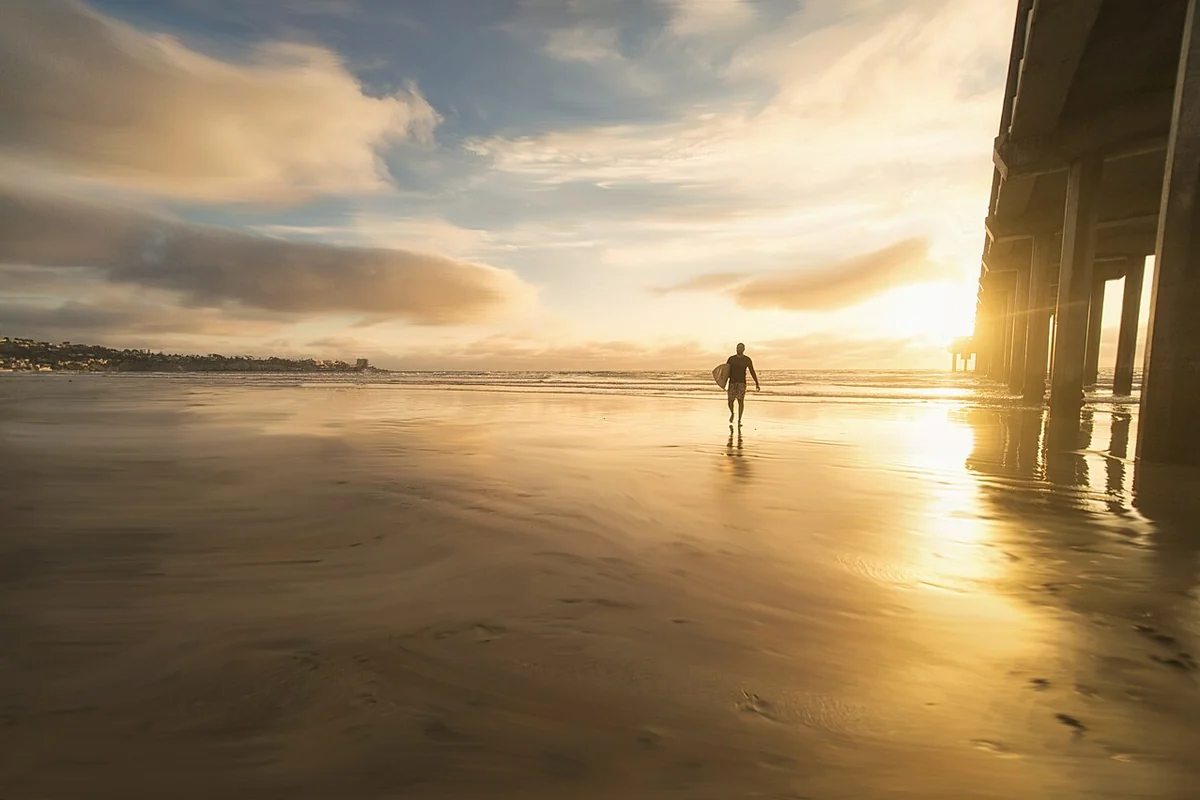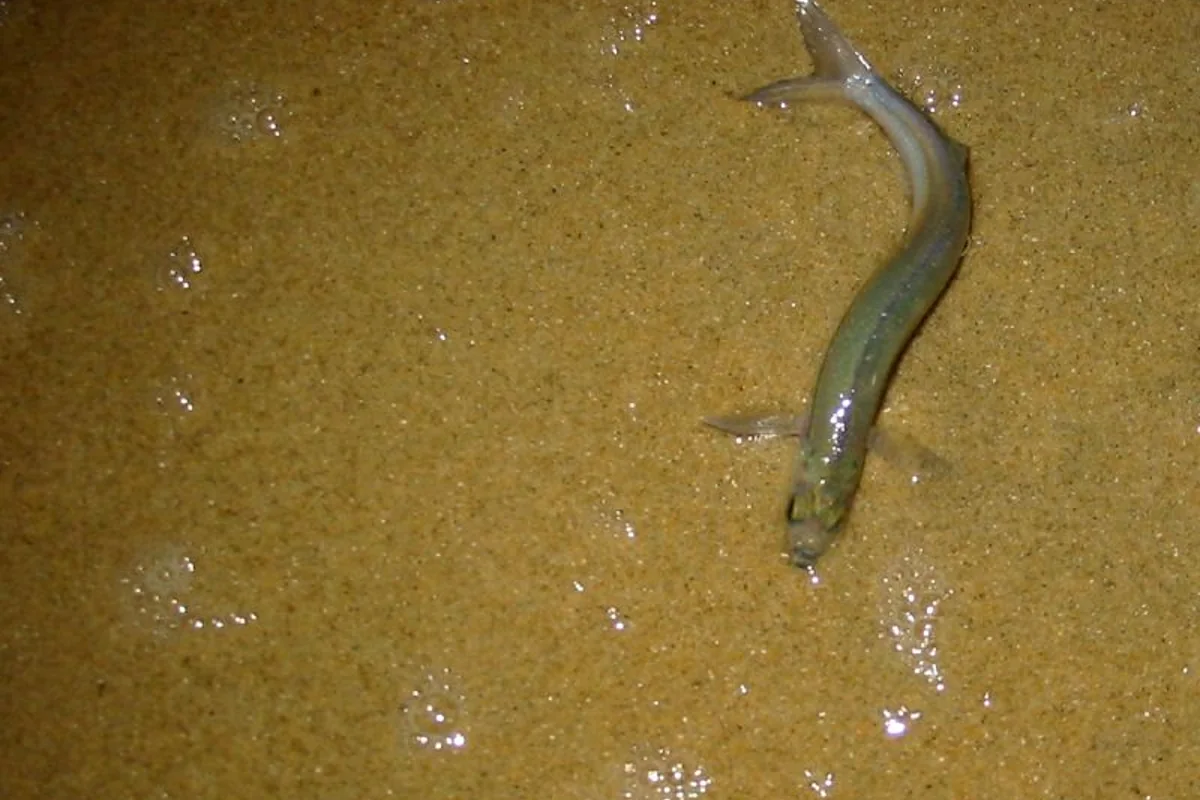
A grunion run San Diego outing starts with the California Department of Fish and Wildlife's dated forecast, not a generic full-moon calendar. California grunion come onto sandy beaches to spawn on certain nights, and the predicted windows help observers decide when to look. Fish are not guaranteed at any beach on a forecast night, and normal beach-access restrictions still apply.
Schedule check, November 11, 2026: the official source reviewed for this guide displays the 2026 expected-run calendar. Those spring and summer windows are past. Use the CDFW grunion facts and expected runs page for the next published season; this guide does not invent or project 2027 dates.
Where to find the grunion-run schedule
CDFW's page is the primary source for dates, probable time windows and the year's observation-only versus open-season periods. Save the current table, including its year and explanatory notes. A screenshot with the dates cropped off is easy to reuse accidentally in the wrong season.
The official times are based on Cabrillo Beach near Los Angeles Harbor, not a San Diego beach. CDFW says San Diego runs occur about five minutes earlier. Keep that local adjustment with the forecast rather than treating a Los Angeles time as a precise statewide appointment.
How to read a forecast night
The listed times are probable two-hour intervals. CDFW notes that the second hour is usually better and that the second and third nights of a four-night period typically produce the best runs. These are tendencies, not a booking system: conditions and the fish themselves determine what you see.
Pay special attention to midnight. The official schedule explains how it labels a run beginning at or after midnight using the previous evening's date. Read that note before making a plan with friends, or one person may arrive a full day earlier than another.
Closed season means observation only
CDFW identifies April, May and June as closed season. During those months, contact with grunion is prohibited, while discreet observation is permitted. “Closed” does not mean there is no spawning run; it means the fish need to be left undisturbed.
| Planning question | Official guidance to use |
|---|---|
| Which nights and times? | The dated CDFW expected-run table for the current season. |
| April through June? | Observe only; do not touch grunion. |
| Other forecast months? | Check that year's open-season designation and all current take rules. |
| Can this beach be entered at night? | Confirm with the local beach manager; the fish forecast does not establish access. |
If you plan to take grunion
Observation is the simpler and lower-impact choice. In an open season, CDFW requires a fishing license for people 16 and older, allows take by hand only and prohibits digging holes to entrap fish. Its current guidance lists a daily bag and possession limit of 30 fish. Recheck the regulations before any collecting trip.
Do not bring nets, dig traps or treat spawning fish as a handling activity for children. A legal opportunity to take fish is not permission to disturb people, wildlife or habitat, and a closed beach remains closed. If there is uncertainty about the rules, leave the outing as observation only.
Choosing a San Diego beach
Choose an established public sandy beach only after checking nighttime access, parking restrictions and current notices. Do not promise yourself that a named beach will have fish because someone posted a successful run there last year. Fish distribution varies, and the forecast applies to possible timing rather than guaranteed placement.
Confirm that your route to and from the sand is straightforward in darkness. Avoid cliffs, rocks, river mouths and unfamiliar isolated access routes. For a first visit, a legitimate guided program can be helpful, but verify the program's location: a Southern California event is not necessarily in San Diego.
Watching without disturbing spawning
Keep the group quiet and stay clear of fish moving on the sand. Limit unnecessary light, follow any staff guidance and do not surround or repeatedly illuminate individual fish. Set expectations with children before reaching the beach: looking is the activity, and not seeing fish is a possible outcome.
Bring a warm layer, a light for safe travel and only what you can carry back out. Do not chase the water line in darkness. You should be able to enjoy the beach without stepping into the surf or losing track of your return route.
Make a final safety check
Check water quality, tides and weather as well as the grunion calendar. A forecast run does not cancel a surf advisory or make polluted water safe. If the night is unsuitable, wait for another opportunity instead of forcing a rare-feeling event into a risky plan.
Explore coastal events for other seasonal outings, and keep the official schedule link rather than a copied date list as your long-term bookmark. That is the most reliable way to make this season's plan from this season's information.
Sources & further reading
Official information and references for this guide. Check the source for current access, rules and conditions.